
How to Lower Cholesterol Through Diet: A Dietitian’s Guide
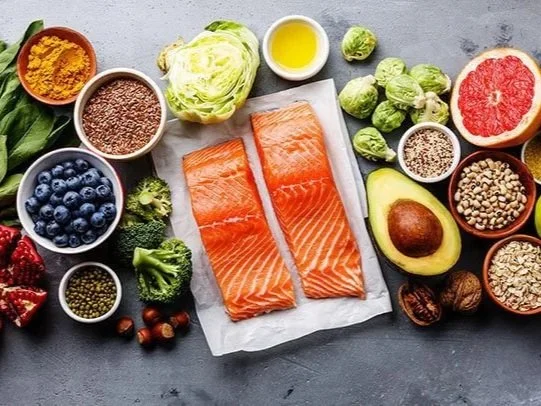
When it comes to lowering cholesterol and blood pressure through diet, the evidence points to three core strategies: reducing saturated fat, increasing fibre intake, and cutting back on sodium. The good news is that small, consistent dietary changes can lead to meaningful reductions in both cholesterol and blood pressure over time — and you don’t need to overhaul everything at once.
As a dietitian at Grams of Health, I work with clients in the Sutherland Shire who have been diagnosed with high cholesterol or elevated blood pressure and aren’t sure where to start. This guide walks you through what the research says and how to apply it practically in everyday Australian life.
Why high cholesterol and blood pressure are a concern?
High cholesterol is diagnosed when there is a high amount of LDL cholesterol in the bloodstream. In excess, this cholesterol can infiltrate the lining of blood vessels and cause a build-up of plaque, known as atherosclerosis. Over time, plaque can thicken and harden, leading to narrowed arteries, and potentially causing blockages to the heart or brain — resulting in a heart attack or stroke.
High blood pressure occurs when the force of blood against your artery walls is too high, causing the heart to work harder to pump blood around the body. This further increases the risk of cardiovascular events. The encouraging part? Dietary changes can have a significant impact on both.
5 evidence based strategies to lower cholesterol through diet in Australia
1. Reduce saturated fat intake
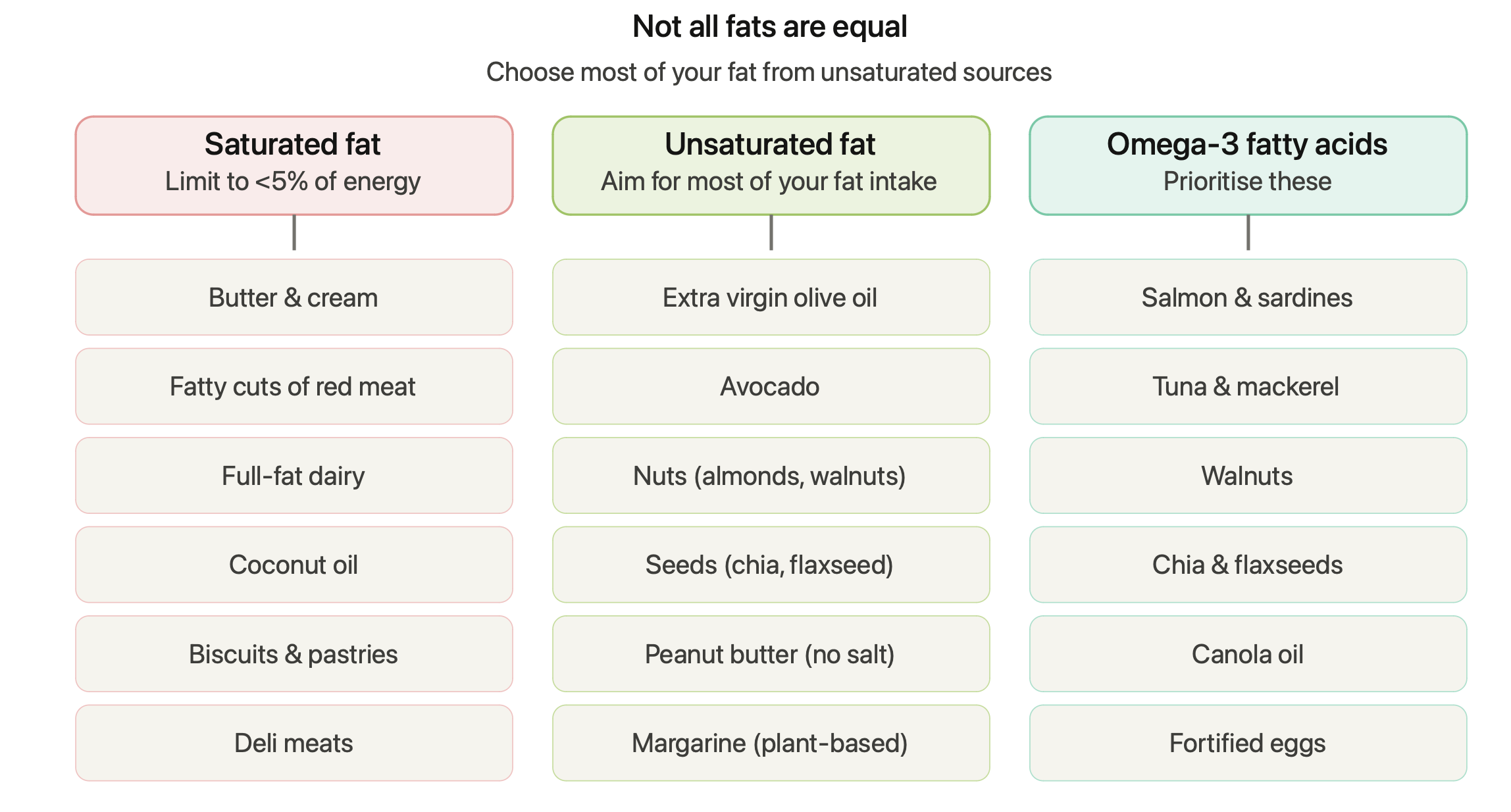
Saturated fats raise LDL cholesterol and contribute to plaque build-up in the arteries. Research shows that reducing saturated fat intake is linked to a 21% reduction in cardiovascular events. Food sources of saturated fat include fatty cuts of meat, butter, full-fat dairy, coconut oil, and baked goods.
The National Heart Foundation of Australia recommends:
Limiting red meat to 1–3 times per week, choosing lean cuts
Choosing fish, lean poultry, legumes, tofu, nuts, and seeds as protein sources
Limiting eggs to 7 or fewer per week for those with high cholesterol or diabetes
Swapping butter for extra virgin olive oil or margarine
Isabella’s tip: Swapping butter for extra virgin olive oil is one of the simplest changes you can make. It’s a small shift, but done consistently it adds up.
2. Reduce sodium intake — flavour with herbs and spices instead
Excess sodium causes water retention, which increases blood volume and puts pressure on the arteries and heart. The Heart Foundation recommends consuming no more than 2,000mg of sodium per day — a target most Australians currently exceed.
Practical ways to reduce sodium:
Use herbs, spices, lemon, and garlic to flavour meals instead of salt
Cut back on processed meats, packaged snacks, chips, cakes, and biscuits
Choose ‘no added salt’ versions of canned goods where possible
Fun fact: it can take 2–4 weeks for your taste buds to adjust to lower-salt cooking, as old taste buds die off and new ones grow. Stick with it — it does get easier.
3. Increase fibre intake — especially soluble fibre
Dietary fibre, particularly soluble fibre, binds to cholesterol in the gut and prevents it from being absorbed into the bloodstream. Australian guidelines recommend 30g of fibre per day for men and 25g for women. To specifically reduce LDL cholesterol, aim for 5–10 grams of soluble fibre per day.
Good sources of soluble fibre include:
Fruits: apples, oranges, kiwi fruit, strawberries, dates
Vegetables: sweet potato, broccoli, Brussels sprouts
Oats, chia seeds, and legumes
⒋Incorporate beta‒glucan
Beta-glucan is a type of soluble fibre that forms a gel in the gut, helping to carry cholesterol out of the body. This supports the natural removal of excess cholesterol and has been shown to help lower LDL (‘bad’) cholesterol when consumed regularly. It can be found in the highest concentrations in oats and barley, and in smaller amounts in mushrooms (like shiitake), whole grains (rye, sorghum, wheat).
5. Consider plant sterols
Plant sterols are compounds found in plant-based foods that reduce the absorption of LDL cholesterol in the body. They have been proven to lower LDL cholesterol by up to 10%, with a recommended intake of 2–3g per day. The most practical way to reach this target is through fortified foods.
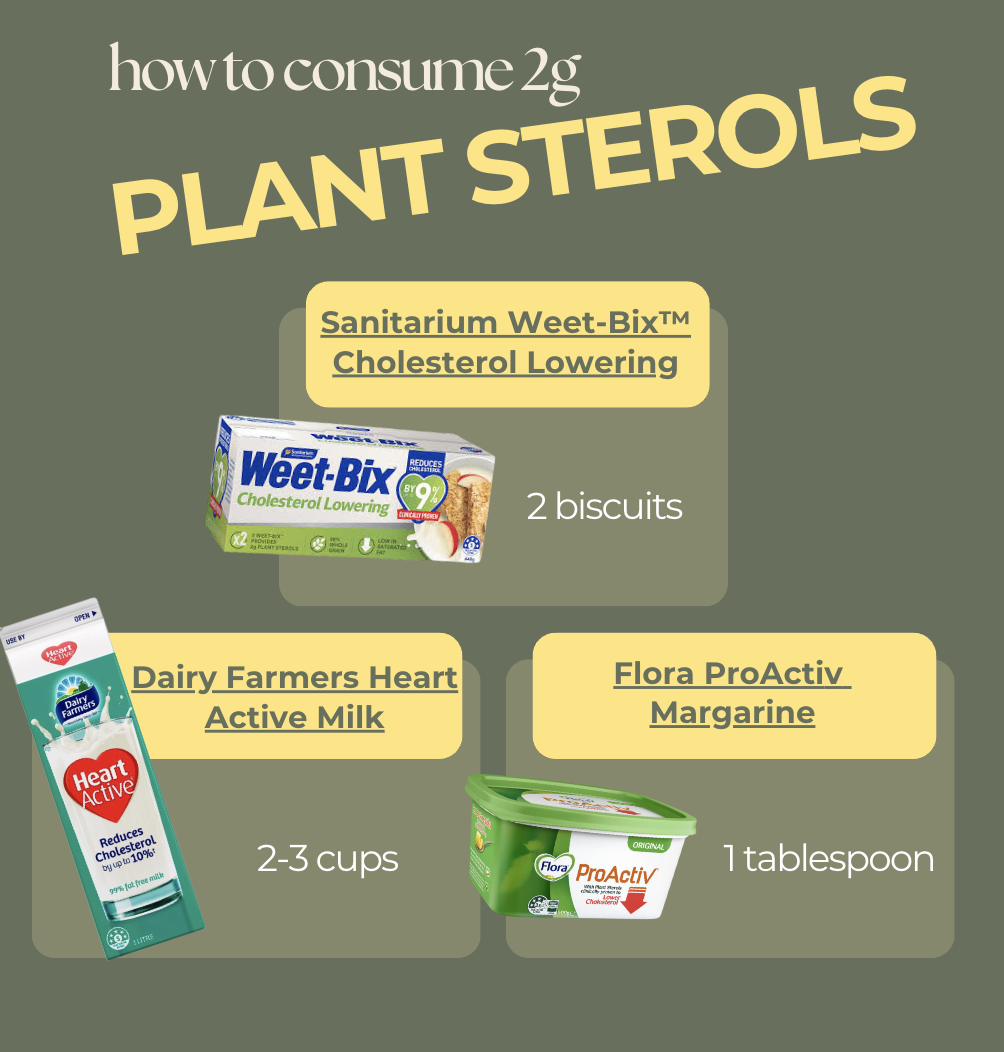
What 2–3g of plant sterols from fortified foods looks like:
One serving (2 biscuits) of Sanitarium Weet-Bix™ Cholesterol Lowering provides 2g of plant sterols, the recommended daily intake to lower cholesterol, as cited by Sanitarium Health Food Company.
25g of Proactiv Margarine (roughly 1 tablespoon) provides 2g of plant sterols, however this is recommended per day. One tablespoon of margarine may not be aligned with other health goals.
2–3 serves (250ml each) of Dairy Farmers Heart Active Milk.
Common mistakes when trying to lower cholesterol through diet
Cutting out all fat
Not all fats are created equal. Your body needs 20–30% of daily energy from dietary fat for hormone production, vitamin absorption, and brain function. The focus should be on the type of fat, not eliminating fat altogether. For those with high cholesterol, less than 5% of total energy should come from saturated fat. Unsaturated fats — including omega-3 fatty acids found in oily fish, nuts, and seeds — are your friends.
Relying on supplements without adjusting diet
Fibre supplements such as Metamucil can be a useful tool, but they work best alongside — not instead of — a nutritious diet. As dietitians, we always recommend a food-first approach, using supplementation only when dietary strategies alone aren’t enough.
Taking an all or nothing approach
Food is for fuel, enjoyment, and connection. You don’t need to be perfect — small, consistent changes are what create lasting results. Making gradual adjustments to saturated fat, fibre, and sodium intake can meaningfully improve both cholesterol and blood pressure over time.
The bottom line
Lowering cholesterol and blood pressure through diet doesn’t require perfection — it requires consistency. Reducing saturated fat, increasing soluble fibre, cutting back on sodium, and prioritising whole foods are all evidence-based steps that make a real difference over time.
A great way to increase your fruit and vegetable variety is to visit a local farmers’ market. We love the Shire Farmers Market, which runs every Saturday from 8am to 1pm at 131 Flora St, Sutherland NSW 2232 — it’s a wonderful way to discover seasonal produce and support local growers.
Ready to get personalised support?
If you’ve recently been diagnosed with high cholesterol or blood pressure, an Accredited Practising Dietitian can help you implement dietary changes that are practical, achievable, and tailored to the foods you enjoy.

To book in with Isabella or one of our Grams of Health dietitians, visit our appointments page or email info@gramsofhealth.com for more information.
FAQs
I love dairy foods — do I have to cut these out if I am trying to lower cholesterol?
No — dairy is an essential food group that provides calcium, protein, and a range of vitamins and minerals. Adults need between 2.5 and 4 serves per day depending on age and gender. When managing cholesterol levels, choosing lower-fat varieties of dairy (such as reduced-fat milk, yoghurt, and cheese) can be beneficial, while still allowing you to meet your daily dairy requirements.
For more information on dairy serves for different age groups, visit Eat for Health — Dairy and Alternatives
My doctor has prescribed cholesterol-lowering or blood pressure medication — do I still need to worry about my diet?
Yes — medication and diet work best together, not as substitutes for one another. Cholesterol-lowering and blood pressure medications help to reduce the risk of cardiovascular events, but they are most effective when used alongside a heart-healthy lifestyle. This includes reducing saturated fat and sodium intake, and eating a diet high in dietary fibre. Your dietitian and doctor can work together to support you with both.
What is the best diet for lowering cholesterol in Australia?
A Mediterranean-style eating pattern is one of the most well-researched dietary approaches for heart health. It emphasises fruits, vegetables, wholegrains, legumes, nuts, seeds, oily fish, and olive oil, while limiting red meat, processed foods, and saturated fats. This aligns with the advice from the Heart Foundation of Australia and is something an Accredited Practising Dietitian can help you adapt to your own lifestyle and food preferences.
How long does it take to lower cholesterol through diet?
Most people begin to see measurable changes in cholesterol levels within 6 to 12 weeks of consistent dietary changes. Results depend on the individual, the degree of change made, and any other health factors. Regular blood tests ordered by your GP are the best way to track your progress.