
Creatine Benefits for Performance: A Dietitian’s Guide
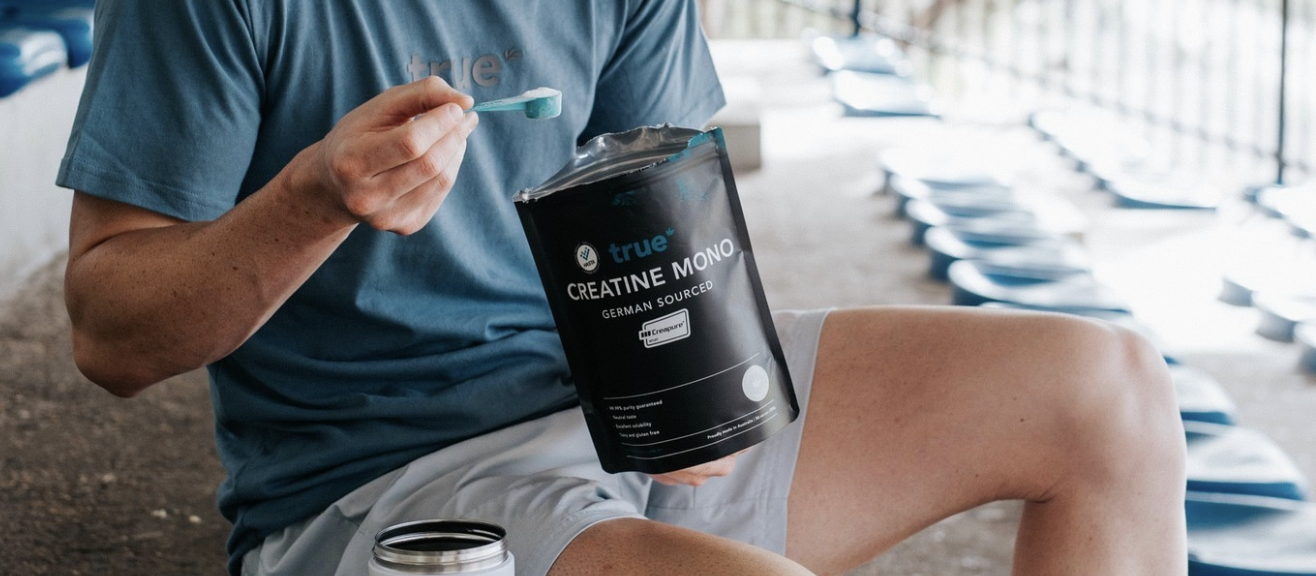
If you want to lift heavier, run faster, or improve your high-intensity training capacity, creatine is one of the most evidence-backed supplements available. When taken daily at 3–5 grams, it can improve strength, power output, and recovery in healthy adults.
But performance supplements aren’t one-size-fits-all. Is creatine necessary? Is it safe long term? And what about women in menopause?
This is a Dietitian’s simple, evidence-based guide explaining how creatine works in the body, whether it is right for you, and how to use it strategically alongside a well balanced diet to support your training goals.
What is Creatine?
Creatine is a naturally occurring compound made from amino acids; the building blocks of proteins. It is stored primarily in your muscles, where it plays a critical role in producing fast energy.
Your body makes small amounts of creatine, and you can also get it from animal foods like red meat and fish. However, diet alone is usually not enough to fully saturate muscle creatine stores to levels associated with improved performance (Kreider et al., 2021).
For example, beef contains roughly 0.5 grams of creatine per 100g (before cooking). To reach the effective dose of 3–5 grams per day through food alone, you would need to eat approximately 600 grams of beef daily - which isn’t realistic for most people. This is why creatine supplementation is commonly used.
The most researched and recommended form is creatine monohydrate.
How does Creatine improve performance?
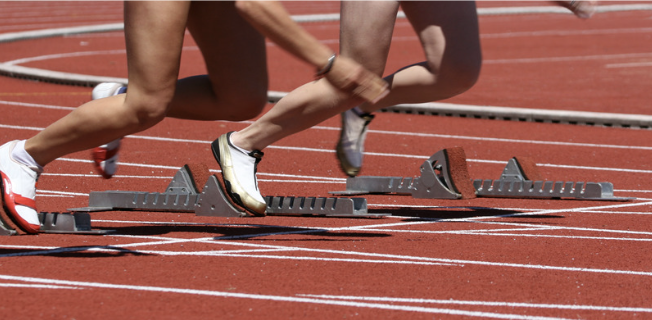
Creatine helps your body produce ATP (adenosine triphosphate), which is your primary energy source during short bursts of high-intensity exercise.
When muscle creatine stores are elevated:
Energy can be generated faster
You may perform more repetitions at a given weight
Sprint capacity can improve
Training quality can improve over time
This is why creatine benefits for performance are most noticeable in:
Resistance training
Sprinting
High-intensity interval training
Explosive sports
Over time, improved training quality often translates to greater strength and muscle mass adaptations.
These effects are supported by sports nutrition guidelines (Kreider et al., 2021; International Olympic Committee, 2018).
How to Take Creatine for Best Results
The most effective and practical dose is:
3–5 grams of creatine monohydrate daily
Taken every day (including rest days)
Consistency matters more than timing
It generally takes 3–4 weeks to fully saturate muscle stores at this dose.
Creatine may be better tolerated when taken with food, particularly alongside carbohydrates and protein.
Simple options include:
Mixed into yoghurt with fruit and granola
Blended into a smoothie
Stirred into oats
Taken with a main meal
A loading phase (20g per day for 5–7 days) is optional but not necessary for most people.
Is Creatine Safe?
Creatine is one of the most studied sports supplements in the world. For healthy individuals, long-term use at recommended doses is considered safe.
The Australian Institute of Sport classifies creatine as a Group A supplement, meaning there is strong evidence supporting its safety and effectiveness for performance use Australian Sports Commission, 2026.
Does Creatine Cause Weight Gain?
Some people experience a 1–2 kg increase in body weight when starting creatine. This is due to water being drawn into muscle cells - not fat gain.
This cellular hydration is part of how creatine supports performance.
Common Mistakes With Creatine Supplementation
Only taking it on training days
Expecting immediate results
Switching between different forms
Taking it on an empty stomach and experiencing GI discomfort
Creatine works best when taken daily and consistently. (Kreider et al., 2021).
Creatine Benefits for Women and Menopause
Emerging research suggests creatine supplementation may also benefit women, particularly during peri-, during and post-menopause.
Potential benefits include:
Improved lower body strength
Support for maintaining muscle mass
Enhanced muscle power
Improved sleep quality in some women
This is particularly relevant because muscle strength and sleep often decline during menopause.
While research is still emerging, creatine may be a useful tool alongside resistance training and adequate protein intake.
Creatine and Brain Function
Although most creatine is stored in muscle, a small amount is found in the brain.
Early research suggests creatine may:
Support brain energy metabolism
Assist memory in some cases
Support cognitive performance during sleep deprivation
Higher doses; around 20 grams per day, may increase brain creatine levels by about 8 to 9%, but results are inconsistent across studies (Pratt et al., 2026).
Lower doses, 3 to 5 grams per day, which is the recommended supplementation dose, are mainly used for physical performance. Brain effects are still being studied.
Overall, the evidence is early but promising (Pratt et al., 2026; Candow et al., 2023).
When Should You Seek Professional Advice?
Speak with a Dietitian or GP before starting creatine if you:
Have kidney disease
Have an existing medical condition
Are pregnant or breastfeeding
Want personalised sports nutrition advice
If you're unsure whether creatine aligns with your training goals, working with a dietitian can help tailor your supplementation strategy.
Book a consultation with one of our Dietitians HERE.
Grace’s tip: Start with 3 grams daily and take it with breakfast. Keep it simple and focus on consistency rather than overcomplicating timing.
FAQ’s
What are the main creatine benefits for performance?
Creatine improves strength, power output, high-intensity capacity, and training quality when taken consistently.
Is creatine safe long term?
Yes. Research supports the safety of 3–5 grams daily in healthy adults.
How long does creatine take to work?
It typically takes 3–4 weeks of consistent use to fully saturate muscle stores.
Do I need a loading phase?
No. A daily dose of 3–5 grams is sufficient unless rapid saturation is required for competition.
Can I get enough creatine from food?
No. Food alone does not provide enough creatine to achieve performance-enhancing saturation levels.
References:
Australian Sports Commission. (n.d.). AIS Sports Supplement Framework. Retrieved from https://www.ausport.gov.au/ais/nutrition/supplements
Candow, D. G., et al. (2023). “Heads Up” for creatine supplementation and its potential applications for brain health and function. Sports Medicine, 53(Suppl 1), 49–65.
Hall, L., Klassen, S., Holbein, J., & Waters, J. (2025). Impact of creatine supplementation on menopausal women’s body composition, cognition, estrogen, strength, and sleep. Journal of the International Society of Sports Nutrition, 22(Suppl 1), 2533673. https://doi.org/10.1080/15502783.2025.2533673
International Olympic Committee. (2018). IOC consensus statement: dietary supplements and the high-performance athlete.
Kreider, R. B., et al. (2021). International Society of Sports Nutrition position stand: safety and efficacy of creatine supplementation.
Pratt, J., et al. (2026). Creatine supplementation and brain health: methodological challenges and evidence. Journal of Nutritional Physiology, 5, 100017.
Wang, Y., et al. (2026). Synergistic effects of creatine, carbohydrates, and protein on performance. Scientific Reports, 16, 10958.