Nutrition for PMOS: What to Eat and Why it Matters
If you have been diagnosed with PMOS or suspect you have it, navigating the symptoms can feel overwhelming. However, the good news is that what you eat can make a huge difference. Common health issues associated with PMOS such as insulin resistance and inflammation can be improved through small changes to your diet to include foods that are low GI, high fibre, contain unsaturated fats and focus on plant-based lean proteins can create meaningful impacts.
What is PMOS?
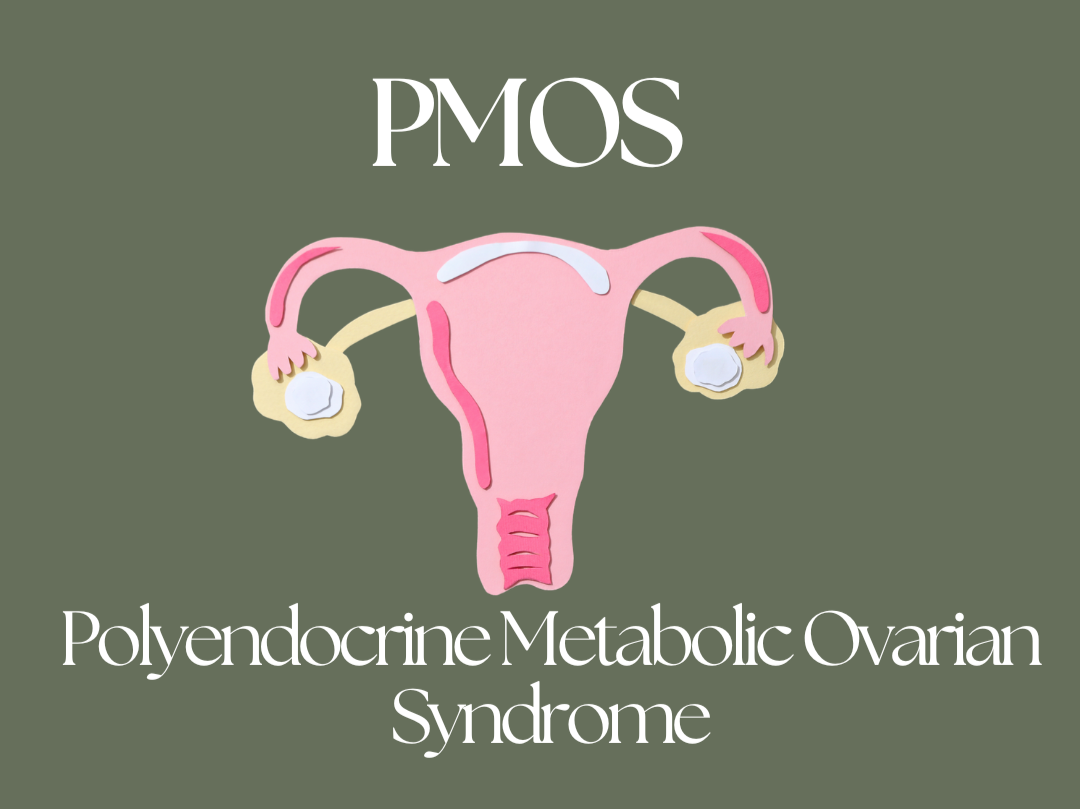
Polycystic Ovary Syndrome (PCOS) - now officially renamed Polyendocrine Metabolic Ovarian Syndrome (PMOS) in 2026 - is a hormonal condition that affects 10-13% of women at a reproductive age. However, it has been estimated that up to 70% of women with PMOS remain undiagnosed.
PMOS is diagnosed through the presence of at least two of the following symptoms:
Irregular or no periods
Signs or symptoms of high androgens, which can present through:
Physical signs such as excessive hair or acne
Blood test results
Presence of polycystic ovaries on an ultrasound
PMOS is usually characterised by higher-than-normal levels of androgen (a male hormone). The World Health Organisation (WHO) identified that this can cause a wide range of symptoms including:
Irregular or no periods
Acne
Excessive facial and body hair growth
Fatigue
Weight gain
Fertility issues
Mental health problems
How does PMOS affects your health?
Insulin Resistance
Approximately 85% of women with PMOS exhibit insulin resistance (Better Health Channel, 2024). Insulin is a hormone produced by the pancreas that helps the body take up glucose from the bloodstream and convert it into energy. With insulin resistance, the body's cells do not respond to insulin as effectively as they should, leading to excess production. These elevated insulin levels can signal the ovaries to produce more androgens, further exacerbating PMOS symptoms. Over time, unmanaged insulin resistance can also increase the risk of developing type 2 diabetes.
Inflammation
Recent studies have also found that many women with PMOS also have chronic low-grade inflammation (Rudnicka et al., 2021). Unlike acute inflammation, this form is persistent and can often go unnoticed. Over time, this can negatively impact metabolism, contribute to a higher risk of cardiovascular disease (CVD) and play a role in fertility issues commonly associated with PMOS.
The role of nutrition in managing PMOS
Lifestyle changes, including nutrition, are the first line of management for PCOS and its symptoms. Diet is the largest modifiable factor for managing insulin resistance, meaning what you eat can drastically impact the hormonal imbalances that drive PMOS. Inflammation can also be directly influenced through food choices. Choosing more whole foods and less processed foods can help in managing inflammation in PMOS.
A diet high in whole foods, with a low glycaemic index and high fibre is often strongly recommended (Faghfoori et al., 2017; Szczuko et al., 2021). However, it is important to note that this is not one-size-fits-all. PMOS manifests differently in each person, meaning tailored nutrition approaches are important. Speaking to a dietitian is especially helpful in this case. However, some dietary patterns that reflect an approach suitable for PMOS includes:
Low glycaemic index (GI) diet: low GI foods digest slowly, resulting in a steady rise in blood sugar rather than unmanageable spikes. This naturally helps with insulin resistance and thus helps reduce androgen levels.
Mediterranean diet: a plant-focused diet that promotes healthy fats, regular consumption of fish and minimisation of processed foods that is naturally rich in fibre and anti-inflammatory.
The best foods to focus on for PMOS
Low GI and high fibre foods:
Wholegrains (e.g. brown rice, wholemeal bread)
Oats
Legumes (e.g. beans, lentils, chickpeas)
Fruits (e.g. berries, citrus, bananas)
Non-starchy vegetables (e.g. leafy greens, broccoli, tomatoes, celery)
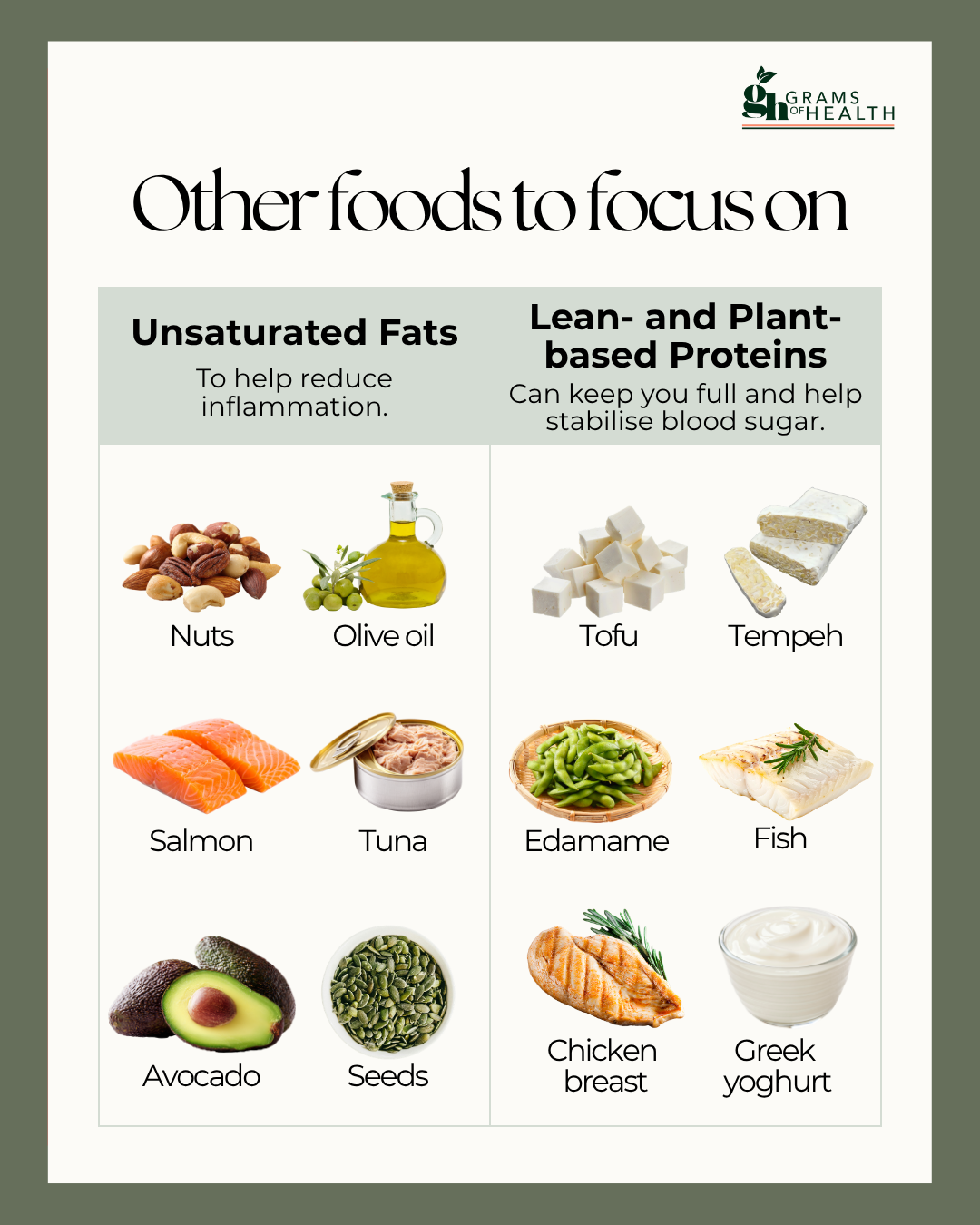
Unsaturated fats can assist with reducing inflammation.
Nuts
Fatty fish (e.g. salmon, tuna)
Avocados
Olive oil
Seeds
Plant-based and lean proteins can help keep you full and stabilise blood sugar when eaten with carbohydrates.
Tofu
Tempeh
Edamame
Greek yoghurt
Chicken
Building meals around these three main food groups provides a strong nutritional foundation for healthy eating and is an effective way of managing symptoms of PMOS.
What foods should I limit and why?
While no foods are completely off-limit, there are some foods that can worsen PMOS symptoms when eaten regularly and in high amounts. These foods are typically known to cause rapid rises in blood sugar levels and promote further inflammation.
Sugary foods and drinks: soft drinks, fruit juices and confectionary exacerbate insulin resistance
Processed snacks and fried food:often high in additives, sugar and salt that can spike blood sugar and cause inflammation
Fried foods: high in saturated fat which can cause inflammation and increase the risk of CVD
Refined grains: white bread, pasta and rice are stripped of their fibre that normally aids slower digestion and helps manage blood glucose levels
Red meats: are often high in saturated fats and are often linked with increased inflammation
Alcohol
Practical dietary tips to help manage your PMOS
Learning to manage your PMOS through nutrition does not have to be difficult or overwhelming. Here are some practical tips you can implement:
Eat regular meals - eating regularly throughout the day helps to regulate blood sugar and hunger. It also prevents energy crashes that can lead to intense cravings and overeating.
Pair carbohydrates with protein, healthy fats and fibre at every meal to slow digestion, prevent rapid blood sugar spikes and keep you fuller for longer.
Prepare healthy snacks such as fruit, vegetables and dip or tinned tuna with wholegrain crackers to prevent reaching for high-convenience, processed snacks
Make small, simple changes over time - consistency is more important than perfection. Focus on making small changes, one at a time, such as switching white bread to wholemeal bread to create sustainable, lasting change.
Be physically active - alongside nutrition, exercise is just as important to improve energy levels and support good mental health. Try to walk throughout the day and incorporate at least 2 strength sessions a week (JSAMS).
Speak to an Accredited Practising Dietitian (APD) - APDs can help you create a personalised nutrition plan that is tailored to your food preferences, lifestyle and unique symptoms. Book a consultation with one of our Dietitians HERE.
Frequently Asked Questions:
Do I need to cut out carbs completely?
No. Carbohydrates are an important source of energy and fibre. Instead of removing, focus on choosing low GI, high fibre carbohydrates such as whole grains, legumes, fruits and vegetables. Eliminating carbohydrates entirely can lead to low energy, nutrient deficiencies and create an unsustainable relationship with food.
Can intermittent fasting help with PMOS?
While there is research showing that intermittent fasting can be beneficial in supporting insulin sensitivity and hormone balance, some of this benefit may come from the overall caloric reduction, not specifically the time restriction. Intermittent fasting can cause overeating during permitted times, rapid spikes or drops in blood sugar and increase cortisol levels (Varady et al., 2021). We recommend speaking to a dietitian before starting intermittent fasting to see whether this is a suitable approach for you.
Should I be taking supplements for PMOS?
There are some supplements that are commonly used to help manage PMOS symptoms. Inositol has been widely used during PCOS treatment and has been demonstrated to help improve insulin sensitivity, however, evidence on its impact on other reproductive outcomes are limited (Fitz et al., 2024). Omega-3 fatty acids and vitamin D are also highly recommended for treating PMOS symptoms (Melo et al., 2022). Supplements should only ever complement a healthy, balanced diet, not replace it. It is always worth consulting a dietitian before starting any supplementation regime.
Do I need to lose weight to manage PMOS?
Not necessarily. While 5-10% weight reduction can be a useful tool for managing symptoms such as insulin resistance and inflammation, it is not always the solution. Lean PMOS is a subtype for individuals within a healthy weight range. In this case, improving diet quality and physical activity is a better recommended strategy than weight loss (Toosy et al, 2018).