
Lazy But Healthy No Cook Meals (A Dietitian’s Guide)
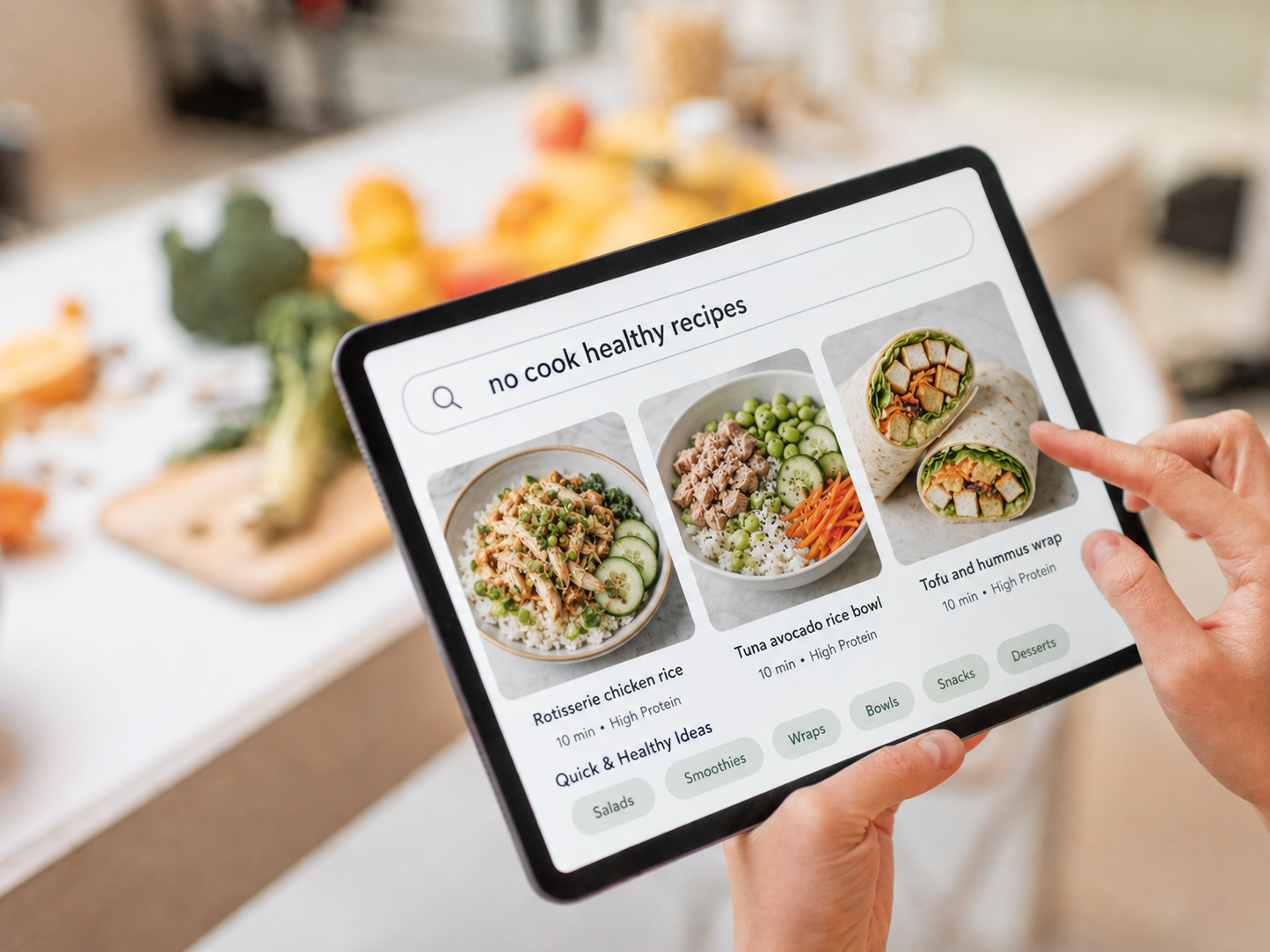
Healthy no-cook meals in Australia don't have to mean sad desk salads or expensive convenience food. With a well-stocked pantry and a simple building framework, you can put together a balanced, nutritious meal in under five minutes - no stove, no meal prep, no Sunday cooking marathon required.
Between work deadlines, house chores, workout sessions, running errands and trying to squeeze in some kind of social life, cooking a nutritious meal every night can feel like a lot. If that's you, you're definitely not alone - it's something we hear from clients all the time.
Sure, the usual advice - "just meal prep on Sundays" or "cook in batches" - sounds great in theory. But what happens when it's 9pm on a Sunday and you just got home from a long day out?
Just because you didn't meal prep doesn't mean you've failed.
What actually helps is having a few simple, realistic options ready for those moments. Things you can throw together without much effort, using what you already have at home.
How To Build A Balanced Meal?
Dietitians always have a visual plate in our heads when planning meals, and it looks something like this.
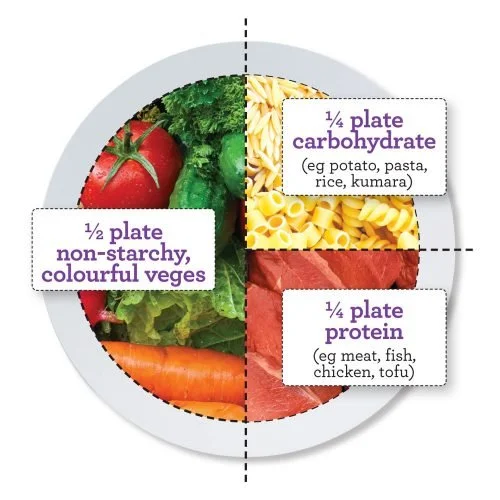
A source of carbohydrate
A source of protein
A few sources of vegetables
A source of healthy fats
The portion size of each varies according to individual needs, but as a general starting point, we recommend filling your plate with half vegetables, a quarter protein, and a quarter carbohydrates. The good news? You can hit all four of these with zero cooking.
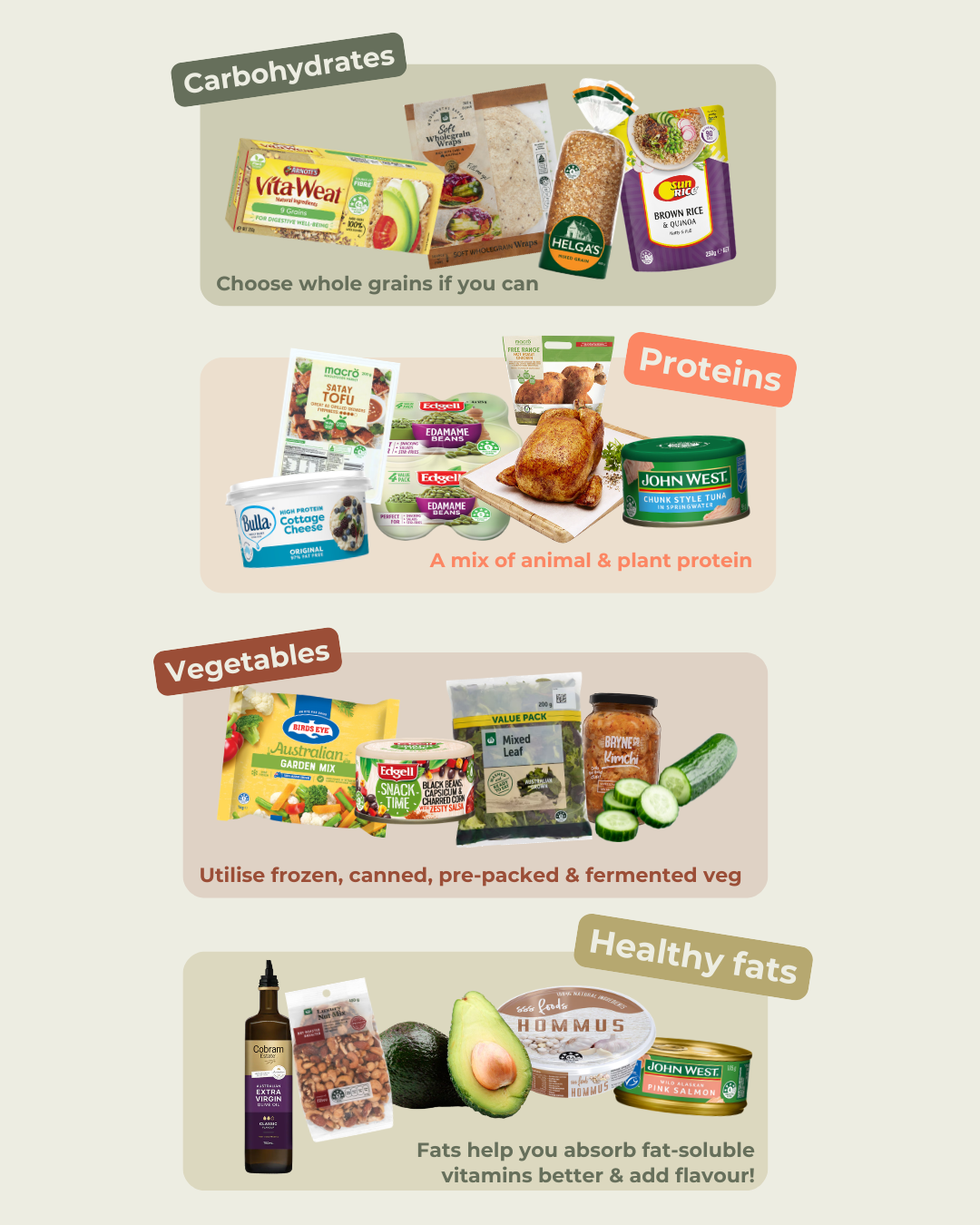
What to Stock Your Pantry With
The secret to healthy no cook meals in Australia is having the right ingredients on hand before hunger strikes. Below are the staples we recommend keeping stocked at all times.
Lazy Meal Combo Ideas
Here are four go-to combinations that tick all four elements of the balanced plate - no cooking required.
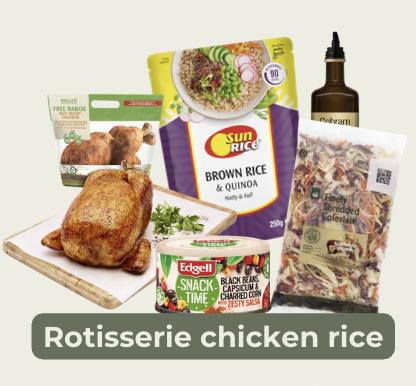
Rotisserie chicken rice Shred supermarket rotisserie chicken over microwave rice with frozen mixed vegetables defrosted under warm water. A complete, satisfying meal in under five minutes. (Check out our recipe video)
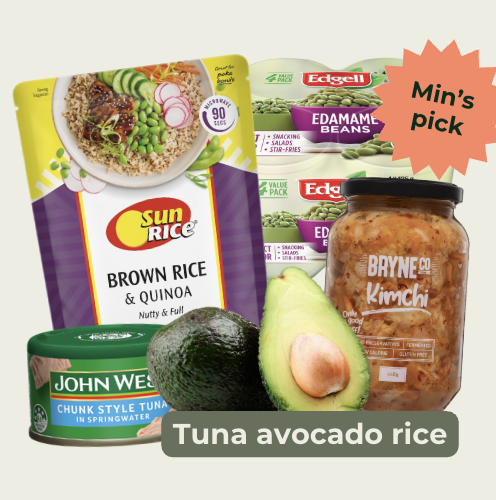
Tuna avocado rice bowl Microwave rice, canned tuna, sliced avocado, cucumber, and a squeeze of lemon or a drizzle of soy sauce. Ready in five minutes and hits all four elements of the balanced plate.
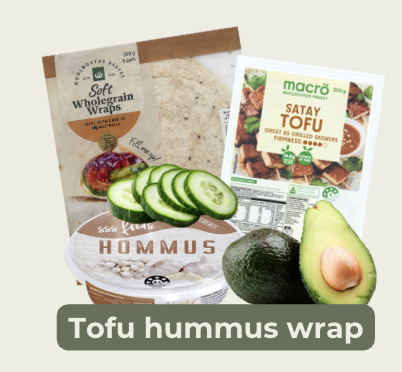
Tofu and hummus wrap Sliced firm tofu, a generous spread of hummus, baby spinach, cucumber, and cherry tomatoes in a wholegrain wrap. No cooking required 0- just assemble and eat.
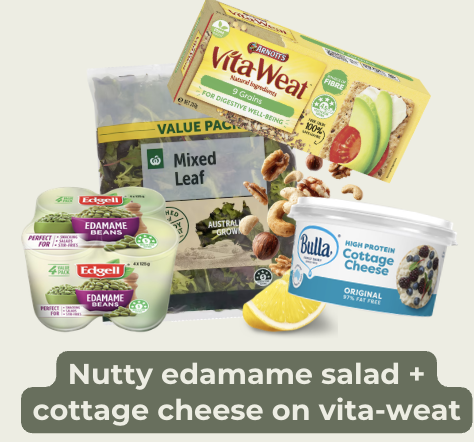
Nutty edamame salad Frozen edamame defrosted under warm water, tossed with mixed salad leaves, cherry tomatoes, shredded carrot, and a handful of mixed nuts or seeds. Dress with olive oil and lemon.
Cottage cheese on Vita-Wheats A high-protein, low-effort option for a quick lunch or light dinner. Top with sliced cucumber, cherry tomatoes, or smoked salmon for a more substantial meal.
Min’s Tip:It's tempting to find two or three meals that work and stick to them on rotation, but variety is key! Different foods feed different strains of beneficial gut bacteria, meaning a more diverse plate leads to a more diverse microbiome. Aim to swap at least one ingredient each week: a different protein, a new vegetable, or a grain you haven't tried before.
5 Practical Strategies for Lazy, Health No Cook Meals
1. Stock your pantry like a dietitian Do a dedicated "lazy meal" shop once a fortnight. Stock your pantry with microwave rice sachets, canned legumes, good-quality canned fish, a variety of wraps, and shelf-stable nuts and seeds. Your future exhausted self will thank you.
2. Use the rotisserie chicken strategy Never underestimate a supermarket rotisserie chicken. It's one of the easiest ways to get a few meals sorted with minimal effort. Shred it into a wrap with some spinach and hummus, throw it over microwave rice with frozen vegetables, or mix it into a bag salad.
3. Embrace canned and fermented foods Canned tuna, salmon, and sardines are great staples — packed with nutrients and requiring zero prep. The same goes for canned legumes like chickpeas, lentils, and beans. They're affordable, filling, and an easy way to add fibre and plant-based protein to any meal.
4. Think "deconstructed bowl", not "cooked meal" Release yourself from the idea that dinner needs to look like dinner. A bowl of microwave rice, shredded chicken, sliced cucumber, carrot sticks, a dollop of hummus, and a drizzle of olive oil is a complete, balanced meal. Dietitians eat like this all the time.
5. Keep frozen vegetables as your backup Frozen vegetables are just as nutritious as fresh — often more so, since they're frozen at peak ripeness. According to the Better Health Channel, keeping a stock of long-life ingredients that can be combined in any number of ways is one of the most practical strategies for eating well on busy days. A bag of frozen edamame, mixed vegetables, or peas can go from freezer to bowl in under three minutes.
When to Seek Professional Support
No-cook meal strategies work well as a day-to-day fallback for generally healthy adults. But there are situations where personalised guidance from an Accredited Practising Dietitian makes a meaningful difference:
You have a health condition like type 2 diabetes, cardiovascular disease, or high cholesterol that requires specific dietary management
You're consistently relying on quick meals and noticing fatigue, poor concentration, or weight changes
You have food intolerances, allergies, or gut issues that limit which shortcut foods work for you
You want to improve your energy, athletic performance, or overall diet quality with a tailored plan
A dietitian can help you build a realistic, sustainable approach to eating that accounts for your actual lifestyle — not an idealised version of it.
Based in the Sutherland Shire or Sydney? The Grams of Health team provides personalised nutrition consultations in Caringbah and across the Sydney region, as well as telehealth options across Australia. Book in with one of our dietitians or book a free discovery call to see if we are a good fit.
Frequently Asked Questions
Are no cook meals actually healthy?
Yes! A no-cook meal can be just as nutritious as a cooked one. The key is building your meal around the same four elements you would any other time: a source of carbohydrate, protein, vegetables, and healthy fats. Canned fish, legumes, frozen vegetables, wholegrain wraps, and fermented foods like yoghurt and kimchi are all highly nutritious and require zero cooking.
What are the best no cook protein sources?
Some of the most convenient no-cook protein sources include canned tuna, salmon, and sardines; rotisserie chicken; firm tofu; canned chickpeas and lentils; Greek yoghurt; cottage cheese; frozen edamame; and hummus. Most of these can be stored in your pantry or fridge and added to any meal in seconds.
Is frozen food as nutritious as fresh vegetables?
Yes, and in some cases more so. Frozen vegetables are typically frozen within hours of harvesting, locking in their nutrients at peak ripeness. Fresh vegetables can lose nutrients during transport and storage. Frozen edamame, mixed vegetables, and peas are excellent staples that go from freezer to bowl in under three minutes.
What should I keep in my pantry for quick healthy meals?
The most useful pantry staples for healthy no-cook meals include microwave rice sachets, wholegrain wraps, canned tuna or salmon, canned legumes, hummus, Greek yoghurt, frozen edamame, bag salad mixes, avocado, and mixed nuts and seeds. With these on hand, you can build a balanced meal in minutes on even your busiest days.
How do I eat healthy when I have no time to cook?
Focus on assembly rather than cooking. Use a simple framework - carbohydrate, protein, vegetables, healthy fat - and choose ingredients that require no preparation. A tuna rice bowl, a tofu hummus wrap, or cottage cheese on crackers with salad are all balanced meals that take under five minutes. Keeping a well-stocked pantry is the single biggest thing you can do to make healthy eating easier on busy days.
Can I eat the same no cook meals every day?
It's fine to have go-to favourites, but variety matters for gut health. Different foods feed different strains of beneficial gut bacteria, so a more diverse plate leads to a healthier microbiome. Try swapping at least one ingredient each week - a different protein, a new vegetable, or a grain you haven't tried before.