

Eating healthy but still struggling with constant cravings, unexplained fatigue and the scales aren’t moving? The problem might not be your willpower - it could be insulin resistance.
Insulin resistance is a common metabolic condition which affects how our body responds to insulin - which can make it harder to regulate blood sugar. When our blood sugar stays too high for too long - this can increase the risk of developing conditions such as pre-diabetes and type 2 diabetes.
But the good news - there are several modifiable ways (including through diet) to help insulin resistance and improve overall metabolic health - we break it down in this blog.
What is insulin?
Insulin is a hormone produced by the beta cells of the pancreas that regulates blood glucose levels. It acts like a key, allowing glucose to enter cells to be used for energy or storage.
Insulin resistance occurs when the muscles, fat and liver don’t respond well to insulin. This reduces the uptake of glucose, causing the pancreas to produce more insulin to maintain normal blood glucose levels.
What causes insulin resistance?
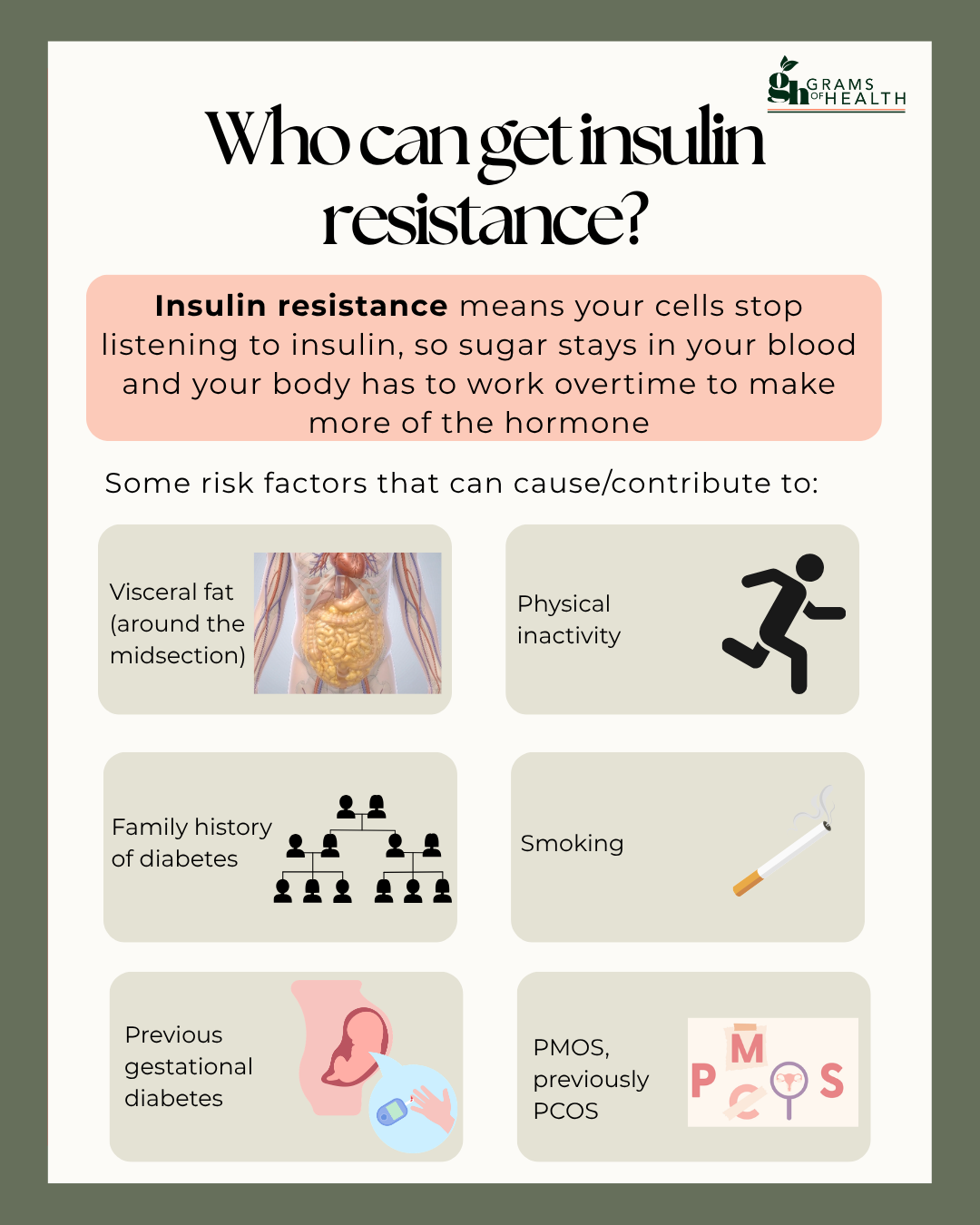
Risk factors include:
Excess body fat, particularly visceral fat (around the midsection)
Physical inactivity
Family history of diabetes
Smoking
Previous gestational diabetes
Polycystic ovary syndrome (PCOS), now known as Polyendocrine Metabolic Ovarian Syndrome (PMOS)
Early insulin resistance is often asymptomatic, but possible signs include abdominal weight gain, fatigue, increased hunger and sugar cravings. Insulin resistance is often associated with obesity-related complications, metabolic syndrome, prediabetes, type 2 diabetes and fatty liver disease (MASLD).
Diagnosis and Treatment
Diagnosis:
Fasting blood glucose
HbA1c
Fasting insulin (in selected cases)
Treatment:
Balanced diet, limiting refined carbohydrates and added sugars
Regular physical activity and resistance training
Weight management, where appropriate
Medication, such as metformin, when prescribed by a doctor
Lifestyle changes are the cornerstone of improving insulin sensitivity and reducing the risk of type 2 diabetes.
Practical strategies to improve insulin resistance through diet
1. Swap white, refined carbohydrates for wholegrain alternatives
A high GI carbohydrate diet can place repeated stress on blood glucose and insulin systems, making it harder for the body to manage insulin resistance. Choose slow digesting, lower GI carbohydrate options - such as:
Wholegrain, high fibre bread instead of white bread
Whole rolled oats instead of quick oats or refined cereals
Basmati, brown or wild rice opposed to Jasmine rice
These take longer to raise blood sugar, and prevent large, rapid spikes to ensure steady, consistent blood sugar levels throughout the day.
2. Control quantity and carbohydrate timing
Carbohydrates are often demonised in the weight loss and blood sugar management space. Carbohydrates, however, are extremely important for overall energy production, and provide essential vitamins such as B vitamins and a range of dietary fibres. Portioned carbohydrates spread throughout meals and snacks is the best way to manage blood sugar levels, preventing large spikes and drops across the day .
Eating roughly the same amount of carbohydrate across meals can help to provide predictability and help the body to predict blood sugar changes, helping to improve energy consistency and optimise insulin response.
Aim for three main meals and one to two snacks throughout the day, rather than one to two large meals. This can help reduce the blood sugar response and maintain steady blood sugar levels.
3. Incorporate the Mediterranean diet into everyday meals
High adherence to the Mediterranean diet has been shown to reduce the risk of type 2 diabetes, with insulin resistance being a key driver of the progression to diabetes.
The key characteristics of the mediterranean diet include; extra virgin olive oil as the main fat source, moderate consumption of animal protein, restricted intake of sweets and processed foods. Low glycaemic index carbohydrates are the preferred carbohydrate source including wholegrains, and legumes.
Combining carbohydrates with healthy fats, protein and fibre can help to slow the release of blood sugar, reducing the excess work that insulin has to do. Additionally, the use of extra virgin olive oil and other unsaturated fats helps improve cardiovascular benefits of those with insulin resistance and other related complications.
Common dietary mistakes
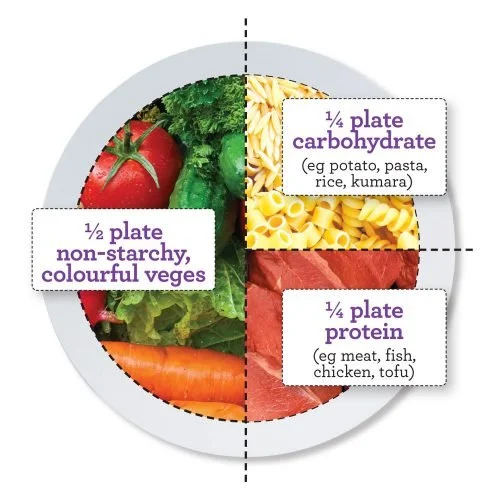
Dietitian’s tip:
“Utilise the healthy plate model to ensure that the protein, vegetables and healthy fats support the slowing of blood sugar release and support consistent energy levels across the day.”
1. Cutting out carbohydrates completely
Carbohydrates do not need to be cut out to manage insulin resistance. While reducing refined carbohydrates and managing overall carbohydrate intake can help improve blood glucose control, cutting out carbohydrates entirely is unnecessary and may reduce your intake of important nutrients and dietary fibre.
What we recommend:
Focus on choosing high-fibre, lower-GI (glycaemic index) carbohydrates, such as wholegrains, legumes, oats and most whole fruits. Pair carbohydrates with protein, healthy fats and fibre to support satiety and help moderate the rise in blood glucose after meals.
Eating regular, balanced meals with appropriate portions of carbohydrates can help support blood glucose management without unnecessarily restricting your diet.
2. Skipping meals and overeating later in the day
Regularly skipping meals may make it harder to manage hunger, energy levels and food intake throughout the day. For some people, going long periods without eating can lead to intense hunger and larger portions at subsequent meals.
For example, having only coffee for breakfast, eating a small lunch and then feeling extremely hungry and overeating at dinner may make it more difficult to maintain consistent eating habits.
The relationship between meal timing and insulin resistance varies between individuals, and skipping meals does not always worsen insulin resistance in everyone. However, a consistent eating pattern that supports your needs can be helpful for managing hunger and blood glucose levels, making it easier for insulin to keep up.
What we recommend:
Aim for regular, balanced meals that include a combination of:
Fibre-rich carbohydrates: wholegrains, legumes, vegetables and fruit
Protein: eggs, fish, chicken, tofu, yoghurt or legumes
Healthy fats: nuts, seeds, avocado or olive oil
Fibre-rich vegetables and fruit: to support fullness and overall metabolic health
Snacks can be included when needed, depending on your hunger, activity levels, schedule and individual health requirements. This doesn’t mean you need to eat constantly or follow a rigid meal schedule - find a sustainable eating pattern that supports your appetite, lifestyle and blood glucose management.
3. Eating too many foods high in saturated and trans fats
The types of fat you eat can influence your metabolic and cardiovascular health. Diets high in saturated fat may negatively affect insulin sensitivity, particularly when saturated fats replace unsaturated fats in the diet.
Excess fat accumulation in tissues such as the liver and skeletal muscle can also contribute to impaired insulin action. However, it is important to note that insulin resistance is complex and is influenced by multiple factors, including genetics, physical activity, body composition and overall dietary patterns.
What we recommend:
Limit foods that are high in saturated fat, such as fatty and processed meats, butter, cream and some commercially baked or highly processed foods. Where possible, replace saturated fats with healthier unsaturated fats, including:
Extra virgin olive oil
Nuts and seeds
Avocado
Oily fish, such as salmon and mackerel
Trans fats should also be minimised - these are fats which are often found in highly processed food items. These dietary changes can support cardiovascular health and may help improve insulin sensitivity as part of an overall balanced eating pattern.
We recommend to focus on the quality of fats in your diet rather than avoiding all fats. Fats are vital for heart and brain health, and to absorb necessary vitamins.
When to seek professional support
Consider speaking with your GP or an Accredited Practising Dietitian if you:
Have recently been diagnosed with insulin resistance or prediabetes and need guidance on where to start
Are struggling to make consistent changes to your diet or lifestyle despite wanting to
Notice physical signs such as weight gain around the midsection, persistent fatigue or intense cravings
Are taking or considering a GLP-1 medication and want nutritional support alongside it
Have blood sugar levels that are not improving with lifestyle changes alone
A GP can arrange blood tests and provide medical management, while a dietitian can help you build sustainable dietary changes that fit your lifestyle and health goals.
Grams of Heath - Sutherland Shire Dietitians
At Grams of Health, our dietitians are equipped with the skills and knowledge to support you if you have recently been diagnosed with insulin resistance and need dietary guidance. We see clients in Cronulla, and via telehealth across Australia.
Book a free 15-minute discovery call or an initial consultation with one of our dietitians HERE.
FAQ’s
Can insulin resistance be reversed?
Insulin sensitivity can be improved by regular exercise, a balanced diet containing moderate amounts of low GI carbohydrates. Weight management is also a factor which may help to significantly improve insulin resistance and overall metabolic health.
I think I have insulin resistance, what should I do?
Book in with your local GP for a blood test and medical management, additional support can be provided by a dietitian to provide dietary guidance to help make sustainable lifestyle changes.
There is so much information online, where do I start?
Seeing a qualified healthcare professional is extremely important to ensure you have reliable, up to date health information. It is important to access credible, up-to-date health information from qualified healthcare professionals such as a GP, dietitian or specialist endocrinologist for hormonal conditions.
What foods should I avoid if I have insulin resistance?
There is no single list of “banned” foods. The focus is on reducing refined carbohydrates and foods high in saturated and trans fats, while prioritising wholegrains, legumes, lean protein, healthy fats and plenty of vegetables. Small, sustainable changes are more effective than eliminating whole food groups.
Is insulin resistance the same as type 2 diabetes?
No - insulin resistance is not the same as type 2 diabetes, but it is one of the main drivers of it. In insulin resistance, the body still produces insulin but doesn’t use it efficiently. Over time, if blood sugar levels remain elevated and the pancreas can no longer compensate, type 2 diabetes may develop. Early detection and lifestyle changes can significantly reduce this risk.